
COVID Is Back: Meet “Nimbus” (NB.1.8.1) Before It Meets You.
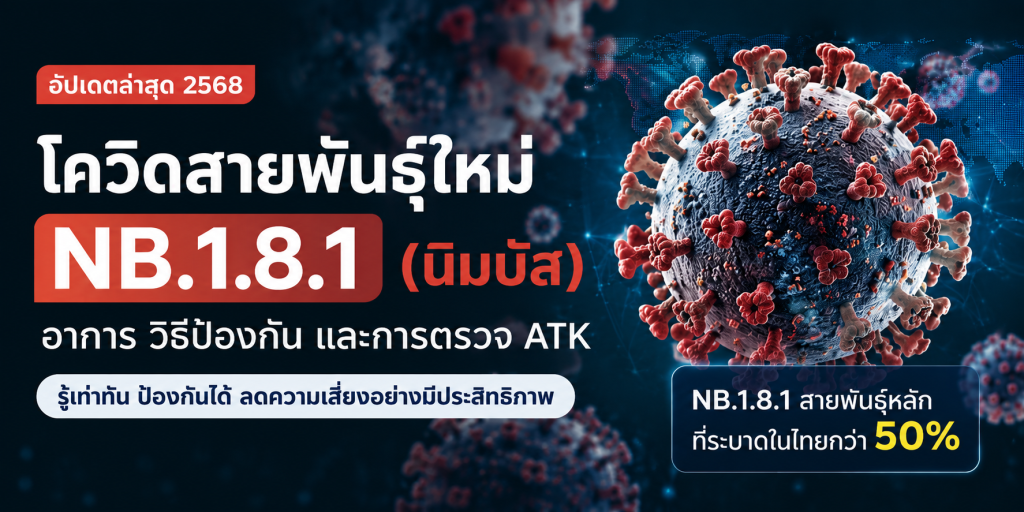
What is the COVID Variant NB.1.8.1?
The new COVID variant NB.1.8.1 is a SARS-CoV-2 virus in the Omicron family that arose from cross-lineage recombination between two Omicron strains — JN.1 and XBB — descending from the XDV group. Foreign media have given this variant the nickname “Nimbus.”
What makes NB.1.8.1 worth watching are several mutations in the spike protein, additional to those of the JN.1 strain, which cause the virus to:
- Spread more easily, because it binds to human cells more effectively
- Evade immunity better, both immunity from prior infection and from vaccines, allowing reinfection
That said, this variant may cause milder symptoms but spreads quickly, especially in crowded settings. Because symptoms are not severe, people continue their normal lives and pass the virus on without realizing it.
Given the continuously rising trend in transmission, the WHO has classified NB.1.8.1 as a “Variant Under Monitoring.”
What Are the Symptoms of COVID NB.1.8.1?
The symptoms of the NB.1.8.1 variant are similar to earlier Omicron strains and often resemble the common cold or flu, making them hard to distinguish by symptoms alone.

Common symptoms include:
- Sore throat — a prominent symptom; some cases experience a sore throat so severe it has been called “razor-blade throat”
- Cough / phlegm — usually a dry but persistent cough
- Fever and chills
- Body aches, muscle pain, headache
- Runny / stuffy nose
- Fatigue and unusual tiredness
- Some cases have gastrointestinal symptoms such as nausea, vomiting, and diarrhea
Don’t just assume it’s a cold! Many people start with symptoms like an ordinary cold, and because many infected people have almost no symptoms, they don’t realize they are infected and unintentionally become carriers spreading the virus.
When should you see a doctor? If you have a high fever, difficulty breathing, or symptoms that don’t improve within 3–5 days, you should see a doctor for evaluation — especially if you are in a high-risk group.
High-Risk Groups Who Should Be Especially Cautious of COVID NB.1.8.1
Although most people experience mild symptoms, the following groups have a higher chance of developing severe symptoms and should take extra care of themselves:
- The elderly, especially those aged 60–65 and above
- People with underlying conditions such as diabetes, heart disease, lung disease, and kidney disease
- People with weakened immunity such as cancer patients and those taking immunosuppressant drugs
- Pregnant women
- Young children
- People who work in close contact with many others
Is ATK Testing Still Necessary? — Still Very Important
Many people wonder whether, since COVID now looks like a common cold, ATK testing is still necessary. The answer is: it remains very important.
ATK (Antigen Test Kit) test kits are good for preliminary screening, especially:
- When you first develop symptoms such as a sore throat, cough, or fever
- Before meeting high-risk people, such as the elderly or sick people in your household
- Before joining activities in crowded places
Getting results quickly helps you isolate in time, reduces transmission to those around you, and helps high-risk individuals access treatment more quickly.
How to Prevent COVID NB.1.8.1 — Know Early, Prevent Effectively
Basic preventive measures still work well against NB.1.8.1, just as with previous variants:
- Wash your hands regularly with soap or alcohol gel
- Wear a mask in crowded places or when near high-risk people
- Get enough rest so your immune system functions well
- Avoid close contact when you have symptoms and isolate until you feel better
- Screen with ATK when there is a risk
Are vaccines still necessary? Experts confirm that variant-adapted vaccines (such as the JN.1, KP.2, or LP.8.1 formulas) still produce antibodies against NB.1.8.1 and help reduce severity as well as lower the risk of hospitalization. High-risk groups should therefore consider getting a booster shot according to their doctor’s advice at least once a year.
Recommended COVID Screening Test Kit — SARS-CoV-2 Antigen Rapid Test (Professional Use)
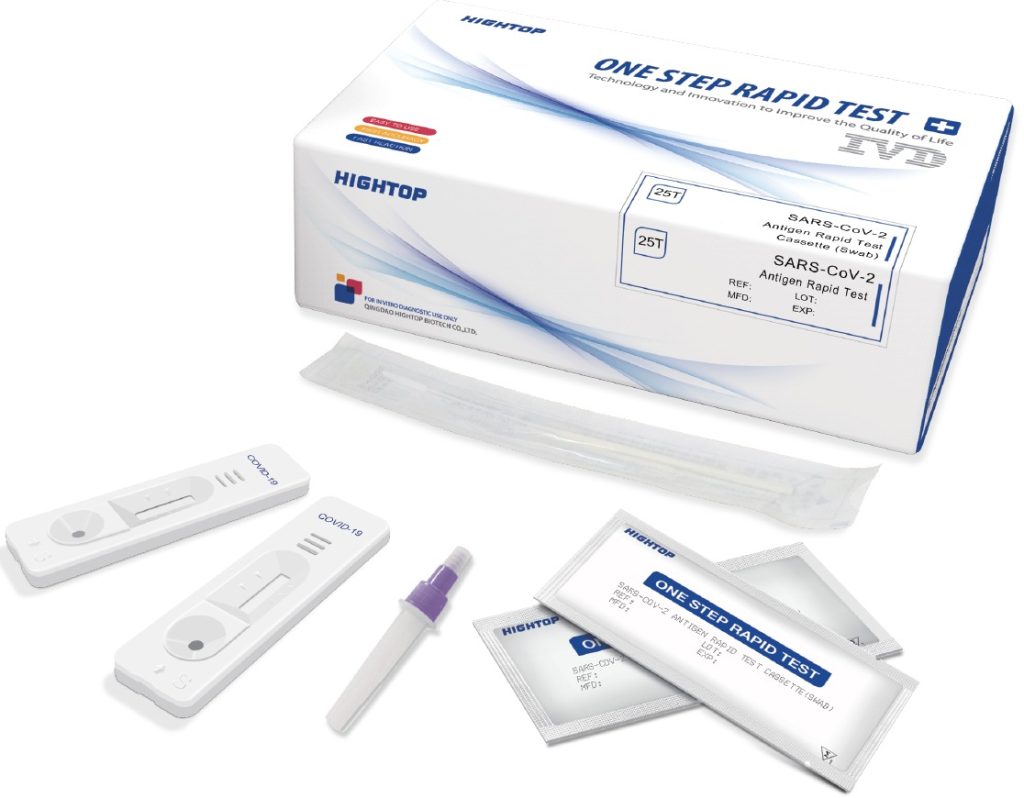
NS Promedica recommends the One Step Rapid Test COVID-19 screening kit (SARS-CoV-2 Antigen Rapid Test) designed for Professional Use, suitable for hospitals, clinics, businesses, and organizations that need effective proactive screening. The test kit provides fast results, is easy to use, and serves as a first line of screening that helps control wide-scale outbreaks.
SARs-CoV-2 test (Cassette) – NS Promedica
Summary
The new COVID variant NB.1.8.1, or “Nimbus,” has driven up infection numbers worldwide and in Thailand during 2025–2026 (B.E. 2568–2569). Its key features are that it spreads easily and evades immunity better, but the good news is that it has not been found to cause more severe illness. The most important thing is not to be complacent — recognize the symptoms, screen with ATK when there is a risk, and protect yourself and those around you, especially high-risk groups who require special care.
References: Department of Disease Control, Department of Medical Sciences, WHO, Thairath, The Standard, Hfocus